
Anixo: French family films and series in English, from Little Nicholas, The Red Balloon and Mon Oncle to My Father's Glory, Ducobu, Tintin, Louis de Funès and Quebec's Tales for All, and where to watch them
158 French-language family films and series from France, Belgium and Quebec, chosen by hand and gathered on gentle shelves: classic comedies, childhood memories, comics on screen, Tales for All, animal friends, holidays and family comedies.
See every titleA passion for family cinema
From the bicycles of Jacques Tati to the classrooms of Little Nicholas, these are the films French families have shared for seventy years.
An array of shelves
Classic comedies, childhood memories, comics on screen, Tales for All from Quebec, animal friends, holidays and family comedies.
Watch, laugh, remember





French family cinema: the Anixo guide
Anixo: French family films and series in English, from Little Nicholas, The Red Balloon and Mon Oncle to My Father's Glory, Ducobu, Tintin, Louis de Funès and Quebec's Tales for All
French-language cinema has given families some of the most graceful and funny films ever made. It gave the world Jacques Tati and his gentle Monsieur Hulot, the red balloon that follows a little boy through the streets of Paris, the summers of Marcel Pagnol in the hills of Provence, the whirlwind comedies of Louis de Funès, the schoolboy Nicholas and the cheeky Ducobu, and, across the Atlantic, the Tales for All of Quebec, a series of family films that travelled to festivals around the world. Anixo gathers 158 French-language family films and series from France, Belgium and Quebec, made between 1949 and 2026, 134 films and 24 series, each with its own page, its story in English, its year, running time or episode list, and a Watch now button that leads to the official services carrying it in your country.
The catalogue has been chosen by hand for families. It runs from Jour de Fête of 1949 and The Red Balloon of 1956 to the newest Ducobu and the Christmas comedies of recent years. There are classic comedies and childhood memories, comics brought to life, Quebec adventures, animal friends, holiday films and family comedies, together with the children's television that generations of French-speaking families grew up with.
Those themes form the shelves. Classic comedies holds 20 titles, Childhood memories 25, Comics on screen 15, Quebec and Tales for All 26, Animal friends 15, Holidays and Christmas 11 and Family comedies 31. Two format shelves split the catalogue into Series and Feature films, the decade shelves trace the story through time, with 30 titles from before 1970, 21 from 1970 to 1989, 25 from the nineties, 25 from the 2000s, 33 from the 2010s and 24 from 2020 onward, and a Top rated shelf picks out the 26 titles audiences have scored most highly.
Anixo is for families who love good stories, for French-speaking families living abroad who want to share their favourite films with their children, for parents and teachers looking for a playful way into the French language, and for every film lover who enjoys the elegance and humour of French cinema. The guides below suggest where to begin, which titles suit which ages and how to plan a French film night at home.
How Anixo looks
The only archived design of the anixo name is a quiet, elegant page built on a well-known web publishing theme, and Anixo follows its look closely. The page is a soft off-white, close to the colour of good writing paper, with bands of pure white between the sections. The text is a deep near-black, the headings are set in Cardo, a graceful serif typeface, and the body text is set in Inter, a clean modern sans-serif. Small accents of warm beige, tan, sage and terracotta come from the same theme.
The header is simple: the anixo wordmark, in small bold letters with a little terracotta asterisk, sits at the left, the menu links sit at the right, and a small square outlined button opens the search, just as the original showed two square outlined buttons at the top of the page. Below it, the hero is centred, with a large serif headline over two or three lines, a short line of text and a black button with softly rounded corners, followed by a search box.
The rest of the page follows the rhythm of the original. A white band opens with a small asterisk ornament, a centred serif heading and a short line of text, followed by a three-column grid of six featured shelves, each with its own asterisk, a bold title and a short description, in the place where the original listed its services. A cream band follows with two offset blocks of check-marked lists, just as the original listed its resources. A large serif heading introduces a grid of posters with serif titles, and another band shows the newest titles and every shelf. The footer is black, with the wordmark, the tagline and a row of white links.
Using the site
Anixo is simple to use on a phone, a tablet or a computer. The search box finds any title by its English or French name, so typing Nicolas, Hulot, Ducobu or Tintin brings the right page straight up. The header links lead to the whole catalogue, to the Classic comedies, Childhood memories and Quebec shelves, to the series and to the A to Z list, and on a small screen the square menu button opens the same links together with My List and the help pages.
Every title page shows the poster, the story in English, the year, the running time or the full episode list, the main cast, the director and the studio, together with the original French title. A Watch now button sits near the top of the page. Choose your country once and Anixo remembers it, so the button always opens JustWatch for the right place.
My List is your own small reading list of films. Press the button on any title page and the film joins the list, which lives in your browser and is there when you come back. A tiny export file moves the list to another device, so you can choose a Sunday film at the kitchen table and open it later on the television.
Jacques Tati
Jacques Tati is one of the great comic artists of cinema, and his films are a joy for children of every age, because they tell their stories almost entirely through pictures, sounds and gentle physical comedy. Jour de Fête, from 1949, follows François, a village postman who sees a film about the speedy American postal service and decides to modernise his round on his bicycle, with hilarious results. It is set during a village fair, with a merry-go-round, a brass band and a travelling cinema.
Monsieur Hulot's Holiday, from 1953, introduced Tati's most famous character, the tall, polite and slightly clumsy Monsieur Hulot, with his pipe, his raincoat and his rattling little car. Hulot spends a week at a seaside hotel in Brittany, and every scene is a small comic masterpiece, from a game of tennis to a firework display that goes off all at once. Children love the visual jokes, and adults love the sunny nostalgia of a French summer holiday.
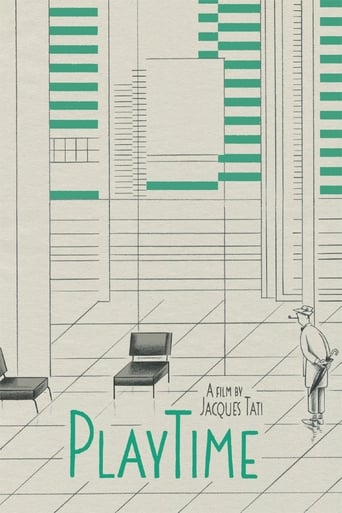
Mon Oncle, from 1958, won the Academy Award for best foreign-language film. Hulot's young nephew, Gérard, lives with his parents in an ultra-modern house full of gadgets, and loves above all to escape to his uncle's cheerful old neighbourhood. The famous fish-shaped fountain in the garden, which is switched on only for visitors, is one of the most loved images in French cinema. PlayTime, from 1967, sends Hulot into a vast modern city of glass and steel, built specially for the film, and Trafic, from 1971, follows him as he tries to drive a new camping car to a motor show in Amsterdam.
Because Tati's films use so few words, they are perfect for families who speak little French, and for younger children who are just learning to read subtitles. They also reward careful watching, since there is always a joke happening in the corner of the picture.
Louis de Funès and the classic comedies
Louis de Funès is the most loved comic actor in France, a small, explosive man with a hundred different expressions, and his films have been watched by families every Christmas and every summer for half a century. The Classic comedies shelf holds 20 titles, and many of them star him.
The Restaurant, from 1966, casts him as Monsieur Septime, the demanding owner of a grand Paris restaurant who is drawn into a comic adventure, in one of the most famous performances of his career. Oscar, from 1967, is a fast farce of mistaken identities and suitcases, and Hibernatus, from 1969, follows a businessman whose wife's grandfather is found frozen in the ice of the Arctic and brought back to life, still believing it is 1905.
The Little Bather follows a boat builder who must find the designer of a prize-winning yacht, Delusions of Grandeur casts him as a scheming minister at the court of Spain, and The Wing or the Thigh?, from 1976, casts him as a famous restaurant critic who goes to war with a factory of tasteless convenience food. The Mad Adventures of Rabbi Jacob, from 1973, is one of his most popular films, a whirlwind of disguises and chases in which a grumpy businessman learns to see the world through new eyes, and The Cabbage Soup is a gentle comedy about two old farmers whose cabbage soup delights a visitor from another planet.
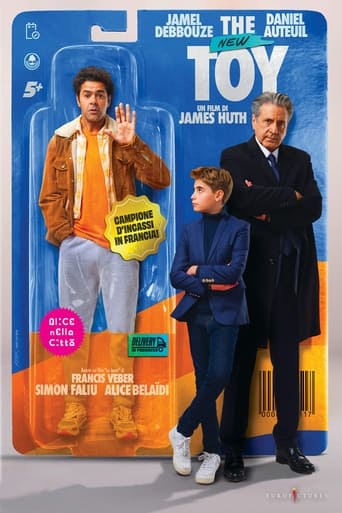
The Sucker, from 1965, pairs de Funès with Bourvil in a road comedy across Italy, Neither Seen Nor Recognized casts him as a cheerful poacher who keeps outwitting the local gamekeeper, and the gendarme films, The Gendarme in New York and The Gendarme Gets Married, follow Sergeant Cruchot and his team of policemen from the sunny Riviera. Very Happy Alexander, with Philippe Noiret, is a lovely comedy about a farmer who decides to rest, and The Toy, with Pierre Richard, follows a journalist chosen as a living toy by a rich man's son, a story told again for a new generation in The New Toy.
Albert Lamorisse and The Red Balloon
Albert Lamorisse made some of the most poetic films ever created for children. The Red Balloon, from 1956, is a short film told almost entirely in pictures about a little boy in Paris who finds a red balloon that seems to have a mind of its own, follows him to school and waits outside his window. It won the top prize for short films at Cannes and an Academy Award for its screenplay, and it is still shown in schools around the world.
Bim, the Little Donkey is an earlier short tale about a boy and his beloved donkey in North Africa, and Stowaway in the Sky, from 1960, follows a boy who climbs aboard his grandfather's hot-air balloon and floats across the whole of France, with breathtaking views of châteaux, mountains, forests and the sea filmed from the air.
Marcel Pagnol and childhood memories
Marcel Pagnol was a playwright, filmmaker and novelist from Provence, and late in his life he wrote four books of memories about his childhood, full of sunshine, cicadas, family love and the wild hills above Marseille. In 1990, Yves Robert turned the first two into films that are now classics of French family cinema. My Father's Glory follows young Marcel, his schoolteacher father Joseph, his gentle mother Augustine and his little brother Paul through their first summer in a rented house in the hills, where Marcel meets his great friend Lili, a local boy who knows every path and every bird. My Mother's Castle continues the story with the family's weekend walks to the country house, a secret shortcut along a canal and the kind-hearted people who help them.
The Time of Secrets, from 2022, directed by Christophe Barratier, follows Marcel in his last summer before secondary school, and The Time of Secrets and The Time of Love continue his story through school days and first friendships. Together, the Pagnol films are a beautiful way to spend a summer evening, and they often send families looking for the books.
Yves Robert also directed War of the Buttons, in 1962, based on the novel by Louis Pergaud, the story of two gangs of village boys who wage a comic war against each other and take the buttons of every prisoner as trophies. It is one of the most famous French comedies about childhood, full of mischief, wooden swords and secret huts.
The Childhood memories shelf holds 25 titles. The Children of the Marshland follows a group of friends who live along the banks of the Loire after the First World War, fishing, picking lily-of-the-valley and selling frogs, and Back to School follows a little boy in a village in Provence on his first day of school. The Butterfly follows an old butterfly collector and an eight-year-old girl who joins him, uninvited, on a trip into the mountains, and L'Âge heureux follows the young pupils of the Paris Opera ballet school.
Remi, Nobody's Boy and Sans famille adapt Hector Malot's great novel about a boy who travels the roads of France with a kind street musician and his performing animals, and School of Life follows an orphan boy from Paris who spends a summer in the Sologne countryside and discovers the secrets of the forest. The Last Robin Hood follows a summer camp leader who entertains the children with tales of the outlaw, and Little Joseph, The Curious Boy, On the Sly and The Dandelions are tender stories about children finding their way.
Comics on screen
French and Belgian comics are a national passion, and several of the most popular have been brought to the screen as family films. The Comics on screen shelf holds 15 titles.
Little Nicholas began as a series of stories by René Goscinny, the writer of Astérix, with drawings by Jean-Jacques Sempé, about a cheerful schoolboy, his loving parents and his gang of friends, Alceste who is always eating, Agnan the teacher's pet, Eudes who is the strongest, and Clotaire who is always last in class. Little Nicholas, from 2009, is a delightful film full of the charm of the books, Nicholas on Holiday takes the family to the seaside, and Little Nicholas' Treasure follows Nicholas and his gang when his father's new job threatens to move the family away.
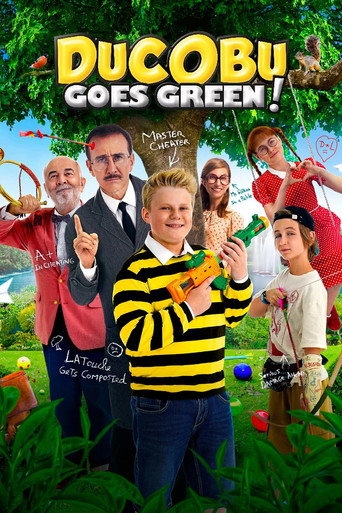
Ducobu is the cheekiest pupil in Belgian comics, a boy who would rather invent a hundred ways to copy from his clever neighbour Léonie than do his own homework. Ducoboo, Ducoboo 2: Crazy Vacation, Ducoboo 3, Ducobu 4 President and Ducobu Goes Green! follow him and his long-suffering teacher, Monsieur Latouche, through years of school, holidays and an election.
The Belgian comics magazine Spirou gave the world Little Spirou, the cheeky childhood of the famous bellhop, and Spirou & Fantasio's Big Adventures, an action comedy with the grown-up hero and his reporter friend. Gaston Lagaffe follows the most famous office clown in comics and his crazy inventions, and HOUBA! On the Trail of the Marsupilami sends a reporter to the jungles of Palombia in search of the legendary spotted creature with a very long tail. Tintin and the Mystery of the Golden Fleece and Tintin and the Blue Oranges are the two live-action Tintin films of the sixties, with Captain Haddock, Professor Calculus and Snowy.
Quebec and Tales for All
Quebec has its own rich tradition of family cinema, and the Quebec and Tales for All shelf holds 26 titles. The most famous of them belong to the Tales for All, a series of family films launched in 1984 by the producer Rock Demers. They were made in French, often with partners from other countries, and they won prizes at festivals for children around the world. Their secret was simple: real stories about real children, told with humour, warmth and respect.
Bach and Broccoli, from 1986, follows Fanny, a spirited orphan girl with a pet skunk named Broccoli, who moves in with her shy uncle Jonathan, an organist who longs to practise Bach in peace. Tadpole and the Whale, from 1988, follows Elvira, a girl who loves the sea and has a remarkable gift for understanding dolphins and whales. The Young Magician, made with a Polish studio, follows a boy who discovers he can move objects with his mind, and Summer of the Colt, filmed on the pampas of Argentina, follows three children spending a summer on their grandfather's ranch.
Bye Bye, Red Riding Hood is a dreamlike modern fairy tale set in a forest, Simon and the Dreamhunters follows a boy who leads his friends in search of a fabulous land, and The Clean Machine follows three children who set up a household cleaning business. Dancing on the Moon follows a thirteen-year-old girl and her two friends through a summer of change, Hathi tells the story of a young elephant in India, and The Hidden Fortress follows two rival summer camps in a friendly battle over a hut high in the trees.
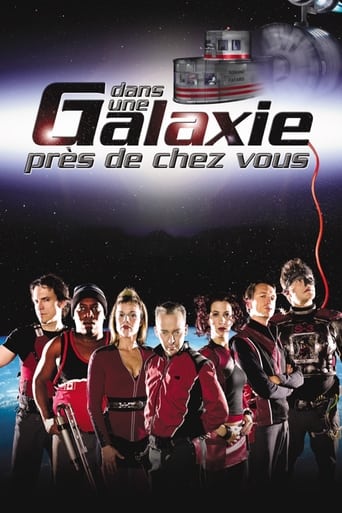
The other Quebec films are just as lively. Matusalem and Matusalem II: le dernier des Beauchesne follow a boy who meets the ghost of a pirate, The Outlaw League is a joyful baseball film, The Pee Wee 3D: The Winter That Changed My Life follows a boy who joins a hockey team after moving to a new town, and The Mysterious Miss C. and L’incomparable Mademoiselle C. follow an eccentric teacher who turns her class upside down. The Christmas Martian, from 1971, follows a friendly Martian who lands in a small Quebec town at Christmas, and Dans une galaxie près de chez vous, le film and Dans une galaxie près de chez vous 2 follow the crew of a spaceship on a comic mission to find a new planet.
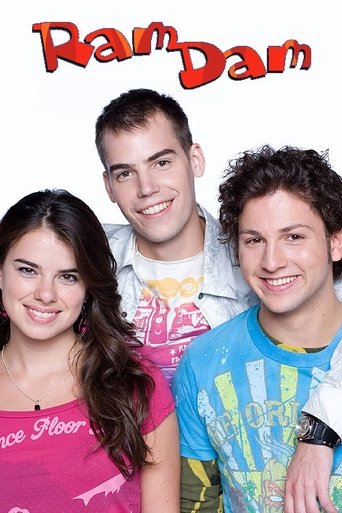
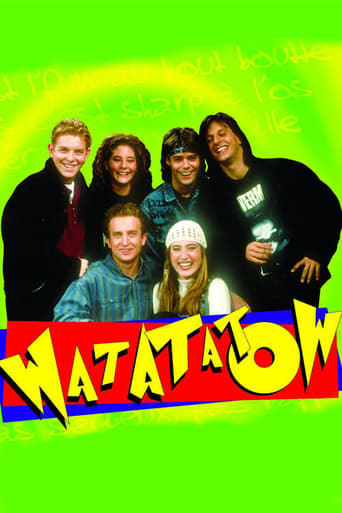
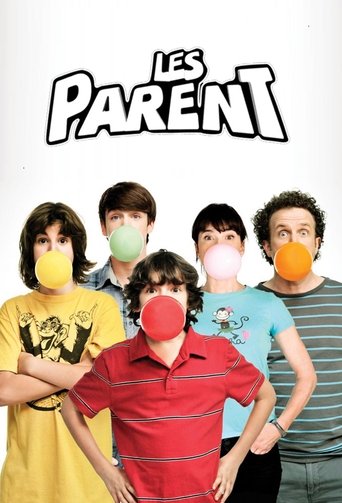
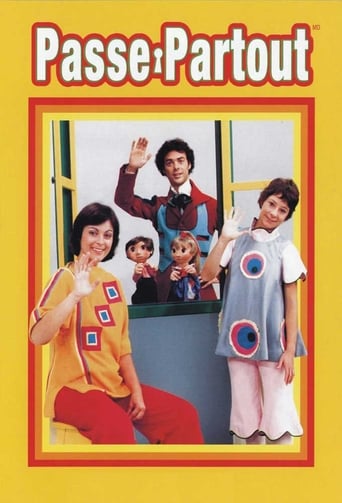
Quebec television is just as rich. Passe-Partout, first shown in 1977, taught a whole generation of Quebec children to read, count and share, Sol et Gobelet followed two cheerful clowns, and Les Intrépides followed a team of young adventurers. Ramdam and The Parents are warm family comedies, Watatatow and Radio Enfer follow teenagers at school, and Alix and the Marvelous and Les Mutants are modern adventures with a touch of magic. The series Dans une galaxie près de chez vous began the space comedy that later became the films.
Animal friends
The Animal friends shelf holds 15 titles. Spread Your Wings, from 2019, is based on the true story of a scientist who uses a microlight aircraft to guide a flock of endangered geese on their migration, and the teenage son who joins him on the adventure of a lifetime. My Family and the Wolf follows a boy who discovers that a wolf in the hills near his grandmother's house has come for a very special reason, and The Lion Child follows a boy in Africa who grows up beside a lioness born on the same day.
Zodi and Téhu: Princes of the Desert follows a young nomad who adopts an orphan baby camel and dreams of racing him, Zaa, the Little White Camel follows a white camel on the long journey back to its oasis, and Zaina: Rider of the Atlas follows a girl who leads a caravan of horses across the Atlas mountains to a great race in Marrakech. Sunny and the Elephant follows a boy who dreams of becoming an elephant driver, White Tuft, the Little Beaver follows a young beaver in the wild north of Canada, and Pom, le poulain follows a foal in the forest.
Big Five is an action comedy about five orphans who gain the powers of the great animals of the savannah, Little Bear follows a sleepwalking little girl and her mother, and The Climb follows a former climbing champion who returns to her village in the Alps.
Classic French series
French television has made wonderful series for children and families for more than sixty years, and the Series shelf holds 24 of them. The swashbuckling adventures of the sixties and seventies are favourites with children who love sword fights and daring escapes. Thierry la Fronde, from 1963, follows a young nobleman who becomes an outlaw hero in medieval France, armed with his famous sling, and The Flashing Blade, from 1967, follows a brave young knight in seventeenth-century France and Italy, with a theme song that a whole generation of European children can still sing.
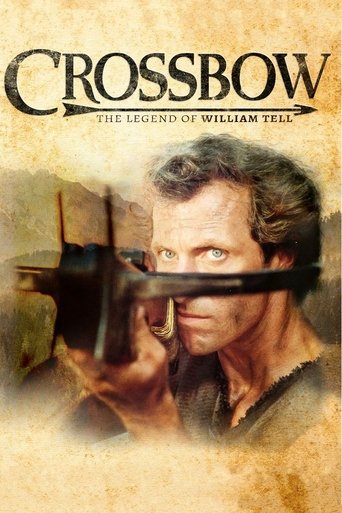
Two Years Vacation, from 1974, adapts Jules Verne's adventure about a group of schoolboys whose ship drifts out to sea and lands on a deserted island, where they must build a new life together. Crossbow follows William Tell in the mountains of Switzerland, and Sébastien and Mary-Morgane, created by Cécile Aubry, who also created Belle and Sebastian, follows a boy who joins his old uncle on a fishing boat off the coast of Brittany.
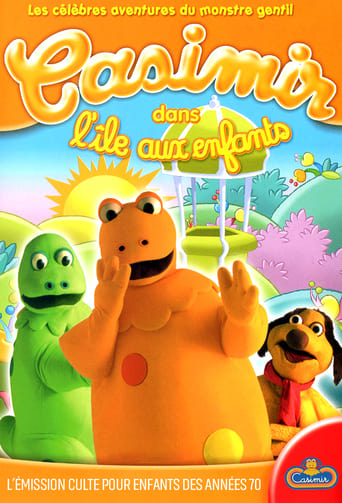
The gentler series are perfect for younger viewers. L'Île Aux Enfants, from 1974, was the French cousin of Sesame Street, with Casimir, a friendly orange dinosaur, and Les Galapiats follows six teenagers on a summer of adventures at a camp in the Belgian Ardennes. The Cousins of Constance follows a young fisherman and his family in a Breton village, and L'Instit follows a kind substitute teacher who travels from school to school across France and helps a different child in every episode.
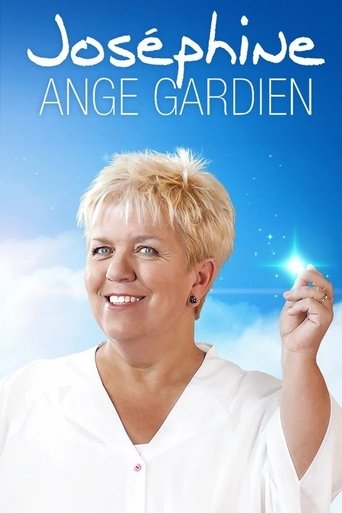
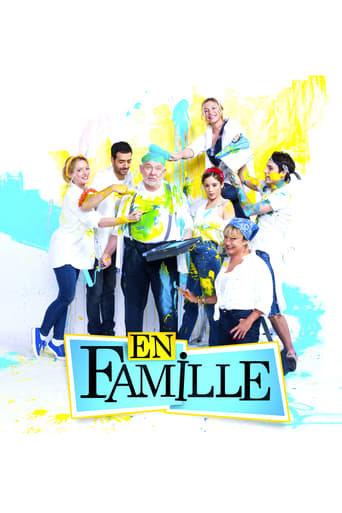
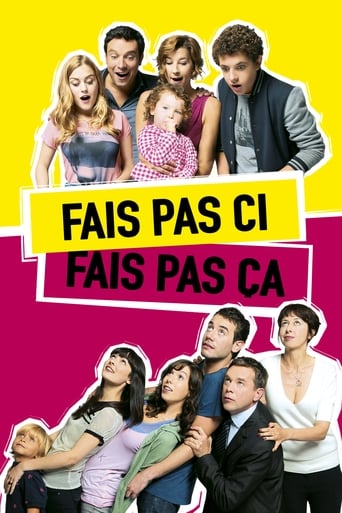
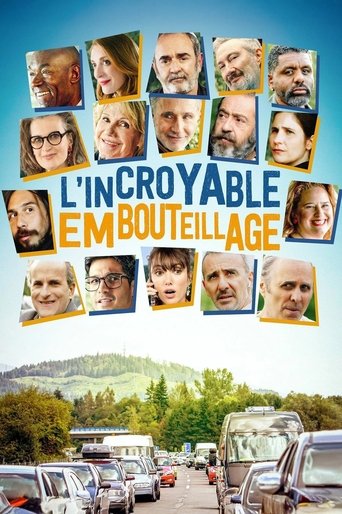
The family comedies are just as popular. Joséphine, Guardian Angel follows a small, kind-hearted guardian angel who comes to earth to help people through difficult moments, Fais pas ci, fais pas ça follows two neighbouring families with very different ideas about raising children, En Famille follows the lively Kervelec family, and La Petite Histoire de France is a comic history of France told through the eyes of one family across the centuries. L'Incroyable Embouteillage is a cheerful comedy about the first great traffic jam of the summer holidays.
Stories from the French-speaking world
French is spoken far beyond France, and several films on Anixo come from Africa and other parts of the world. Yaaba, from Burkina Faso, is a tender and beautiful film about a ten-year-old boy who befriends an old woman whom the other villagers fear, and it won a prize at Cannes in 1989. The Golden Ball follows a young boy in Guinea who dreams of becoming a great footballer, and Timgad follows a French archaeologist who coaches a team of children in an Algerian village.
Fahim tells the true story of a young boy from Bangladesh who arrives in Paris with his father and becomes the junior chess champion of France, with the help of a gruff but warm-hearted coach, played by Gérard Depardieu. The Magic of the Kite, from 1958, is a charming French and Chinese co-production about two children who chase a magic kite all the way to China, and Babel is a family fantasy about a strange and wonderful family.
Belgium
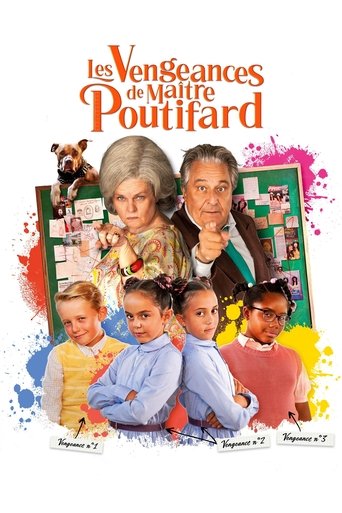
Belgium has given French-language cinema some of its most inventive family films, and the country is famous for its comics, from Tintin to Spirou. Little Nicholas and Little Spirou were made with Belgian studios, and the Ducobu films follow a Belgian schoolboy. Trouble at Timpetill follows the children of a small mountain village who find themselves alone after the grown-ups leave, and must learn to run the village themselves. SpaceBoy follows a gifted eleven-year-old who secretly builds a balloon with his friend Emma, and Mr. Putifar's Wacky Plan follows a retired teacher with a plan to get his own back on his former pupils.
Chubby follows a twelve-year-old boy through a summer that changes his life, On the Sly follows a little girl who feels invisible in her own family and sets off on a great adventure, Birds of Passage follows a girl born on the twenty-ninth of February and the duckling she hatches, and What's with This Granny?! follows a grandmother whose seven grandchildren arrive for the holidays.
Holidays and Christmas
The French take their holidays seriously, and many family films celebrate the great summer escape. Nicholas on Holiday takes the Little Nicholas family to the seaside, Those Happy Days follows a young manager running a children's summer camp for three busy weeks, Full Speed follows a family whose new car refuses to slow down on the motorway, with comic results, and Ducoboo 2: Crazy Vacation sends Ducobu to the south of France. Monsieur Hulot's Holiday remains the most elegant holiday film ever made.
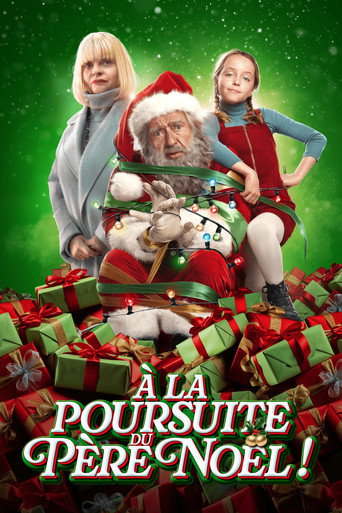
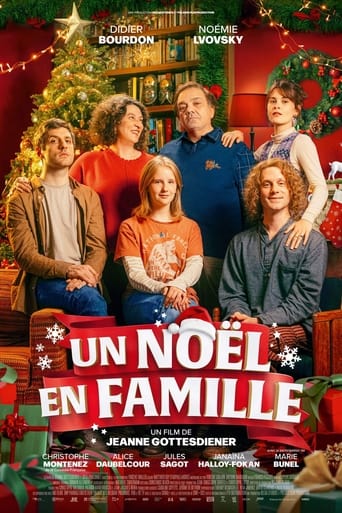
At Christmas, Christmas & Co. follows Santa Claus himself when his elves fall ill just before the big night, Christmas Next Door follows a family whose Christmas Eve goes gently off course, Christmas Carole follows a busy town mayor trying to juggle her work and her family celebrations, Wanted Santa follows an eight-year-old girl with a very particular Christmas wish, and Weekend Family Christmas Special brings a lively blended family together for the holidays. The Christmas Martian is a Quebec classic about a friendly visitor from Mars.
Family comedies
The Family comedies shelf holds 31 titles, from busy parents and lively grandmothers to clever children who run the show. 10 Days with Dad follows a father who thinks he can manage his four children as easily as his office, until his wife takes a well-earned break. Super Papa follows a father who invents a superhero adventure for his son's birthday, We Are Family follows a boy at the centre of a big blended family, and Alternate Weeks (and Half the Vacation) follows a brother and sister who live a week with each parent.
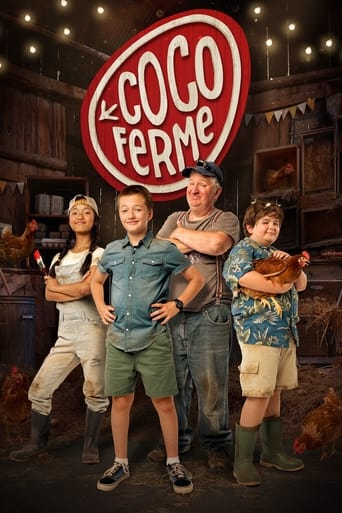
What's with This Granny?! and When Granny Meets Grandpa follow a fun-loving grandmother who turns her family's life upside down, Coco Farm follows a twelve-year-old boy who starts a business selling organic eggs, and Miss Boots follows an opera composer whose quiet life is turned upside down by a rebellious young guest. Haute Cuisine tells the true story of the woman who became the private cook of a French president, a lovely film for families who love food, and Microbe and Gasoline follows two teenage friends on a road trip across France in a car they have built themselves.
The Little Gang follows a group of children who stand up for the river near their town, Elementary follows a devoted teacher and her pupils, The Principal follows a busy school director, Aurélie Laflamme's Diary follows a Quebec teenager who feels like she comes from another planet, and The Challengers follows a girl who joins a band of boys after moving to a new town. The Canterville Ghost and Mimsy Were the Borogoves add a touch of magic, and Little Indian, Big City is a comedy about a boy from the Amazon rainforest who visits his father in Paris.
Picks by age
For the youngest viewers, choose the films told in pictures. The Red Balloon, Stowaway in the Sky, Pom, le poulain, White Tuft, the Little Beaver and the Tati films are perfect for small children, and Passe-Partout and L'Île Aux Enfants are wonderful series for the very young.
From about six, children love the comics and the school stories. Little Nicholas, Nicholas on Holiday, Ducoboo, Little Spirou, HOUBA! On the Trail of the Marsupilami and Bach and Broccoli are full of laughter and warmth.
From about nine, the adventures and comedies are ideal. War of the Buttons, My Father's Glory, My Mother's Castle, Spread Your Wings, The Mad Adventures of Rabbi Jacob, The Restaurant and Tintin and the Mystery of the Golden Fleece offer adventure and humour for the whole family.
Older children and teenagers will enjoy Fahim, Microbe and Gasoline, The Time of Secrets, Remi, Nobody's Boy and Yaaba, and grown-ups watching with the family will love Mon Oncle, PlayTime, The Butterfly and Haute Cuisine.
Learning French with films
Family films are one of the most enjoyable ways to learn a language, and Anixo is a natural companion for children and adults who are learning French. Every title page lists the original French title alongside the English one, and many of the official services carry the films with French audio and subtitles in French or English.
Begin with the films told in pictures. The Red Balloon and the Tati films use very few words, so beginners can follow every scene and pick up a few phrases along the way. Next, try the films about everyday life: Little Nicholas, Ducoboo and the series L'Instit use the natural language of school and family, full of useful words. The Quebec films, such as Bach and Broccoli and The Clean Machine, and the series Passe-Partout are a lovely introduction to the French of Quebec, with its own music and its own expressions.
Watching the same film twice, first with English subtitles and then with French subtitles, is a simple and effective way to build confidence, and the Pagnol films, with their clear narration, are wonderful for listening practice.
A short history of French family film
French cinema has always loved children and the stories of childhood. In the years after the Second World War, a new generation of filmmakers turned to gentle, poetic stories. Jacques Tati made Jour de Fête in a small village in the Indre, Albert Lamorisse filmed his red balloon floating above the rooftops of Belleville, and the French studios began to make comedies that whole families could enjoy together.
The sixties and seventies were the golden age of the family comedy. Louis de Funès and Bourvil became the most popular actors in the country, Yves Robert filmed War of the Buttons, and the gendarme films filled cinemas every summer. On television, the French and Belgian channels made adventure series such as Thierry la Fronde and The Flashing Blade, and children's programmes such as L'Île aux enfants, while in Quebec, Sol et Gobelet and later Passe-Partout became part of daily life.
In the eighties, Rock Demers launched the Tales for All in Quebec, and the series brought French-language family films to festivals around the world. In 1990, Yves Robert returned with the Pagnol films, which became enormous successes in France and abroad. From the 2000s onwards, French and Belgian studios turned to the great comics, with Little Nicholas, Ducobu, Little Spirou, Spirou and Fantasio and Gaston Lagaffe, while the Christmas comedy and the animal adventure became new family traditions.
Through the year
French family films suit every season. In spring, when the countryside comes back to life, try The Children of the Marshland, Back to School or The Butterfly, with its walks through the mountain meadows. In summer, the holiday films come into their own: My Father's Glory, My Mother's Castle, Monsieur Hulot's Holiday, Nicholas on Holiday and Those Happy Days are all set during long summer holidays, and the Quebec summer camp films, such as The Hidden Fortress, are perfect for warm evenings.
In autumn, the season of the return to school, try Little Nicholas, Ducoboo 3 or Elementary. In winter, choose The Pee Wee 3D: The Winter That Changed My Life, Winter Stories or the Christmas films, and when the snow falls, The Christmas Martian is a perfect choice for younger viewers.
Great directors for children
Several of the great names of French cinema made films for children and families. Jacques Tati and Albert Lamorisse made films that are almost silent and therefore understood everywhere. Yves Robert made both War of the Buttons and the Pagnol films, thirty years apart, with the same love of the countryside and of childhood friendship. Gérard Oury directed The Sucker and The Mad Adventures of Rabbi Jacob, two of the most popular comedies in French history, and Claude Zidi made The Wing or the Thigh? with Louis de Funès.
In Quebec, André Melançon directed Bach and Broccoli and Summer of the Colt, and Roger Cantin made Matusalem and The Hidden Fortress. In recent years, Laurent Tirard brought Little Nicholas to the screen, Christophe Barratier returned to Pagnol, and Nicolas Vanier, a famous explorer, made Spread Your Wings and School of Life, two films full of nature and adventure.
Planning a French film night
A French film night is easy to plan and a pleasure for the whole family. Begin by choosing a shelf: the Classic comedies for an evening of laughter, Childhood memories for a gentle summer story, the comics for younger children, or the Quebec shelf for something a little different. Add the chosen title to My List, check the running time on its page, and press Watch now to see where it is available in your country.
A few small touches make the evening special. Serve a French treat, such as crêpes, a tarte aux pommes or a plate of madeleines, or, for a Quebec evening, a little maple syrup. For a Tati film, see who can spot the most hidden jokes; for a Pagnol film, read a chapter of the book aloud before you begin; and for a Little Nicholas film, ask each child to describe their own gang of friends.
After the film, talk about what everyone enjoyed. Which character was the funniest: Monsieur Hulot, Louis de Funès, Ducobu or Nicholas? Would you rather spend a summer in the hills of Provence or fly across France in a balloon? These conversations are often the best part of the evening.
How Watch now works
Anixo is a guide, and every title page leads to the official services that carry the film or series. The Watch now button opens JustWatch for the country you choose, with the streaming subscriptions, rentals, purchases and free services that carry the title there.
The list of services differs from one country to the next. French family films are easiest to find in France, Belgium, Switzerland and Quebec, where public broadcasters often carry classic comedies and children's series in their online libraries, and many films are also available across Europe and North America. Choosing your country in Anixo makes sure the button always opens the right list. Fifteen countries are available, from France, Belgium, Canada, Switzerland and Luxembourg to the United States, Britain, Australia, Ireland, Germany, the Netherlands, Italy, Spain, Sweden and Morocco.
The help pages
Anixo has fifteen help pages, each a short guide to one corner of the catalogue. How to watch with Anixo explains the search box, the title pages and the Watch now button, Finding a title shares search tips, and My List explains how to save and share your plans.
Jacques Tati introduces Monsieur Hulot, Classic comedies gathers Louis de Funès and friends, Marcel Pagnol spends a summer in Provence, and Comics on screen brings together Nicholas, Ducobu, Spirou and Tintin. Quebec's Tales for All introduces the family films of Quebec, Belgium visits the inventive Belgian studios, and Stories from the French-speaking world travels to Africa and beyond.
Animal friends meets geese, wolves and camels, Holidays and Christmas picks summer and December films, Family comedies gathers grannies and busy parents, Series to watch together lists the classic series, and Learning French with films suggests films for language learners.
Hidden gems
Beyond the famous titles, Anixo holds many smaller films that deserve a wider audience. Jour de Fête, from 1949, is the oldest film in the catalogue and still one of the funniest. The Magic of the Kite is a forgotten treasure of the fifties, Mimsy Were the Borogoves is a strange and lovely television film of 1970 about two children who find a box of toys from the future, and Bim, the Little Donkey is a short and moving tale by the director of The Red Balloon.
Ésimésac is a Quebec folk tale about a giant-hearted young man who sets out to save his hungry village, Big Brother Trouble is a sweet story about two brothers, Winter Stories is a nostalgic Quebec memory of a school year in the sixties, and Tom Thumb, from 1972, is a colourful fairy tale. The Adventures of Arsène Lupin follows the gentleman thief on a stylish adventure, and Noémie: Le secret follows a seven-year-old girl and her elderly neighbour in Quebec City.
A perfect first night
If you are new to Anixo, start with a film that everyone in the family can enjoy together. Little Nicholas is funny and warm, The Red Balloon is short and magical, My Father's Glory is a perfect summer evening, and The Mad Adventures of Rabbi Jacob is a riot of laughter. For a series, L'Instit or The Flashing Blade are easy to enjoy over a week of evenings.
After the first film, let each member of the family choose the next one from their favourite shelf. Soon everyone will have a favourite hero, whether it is a tall man in a raincoat on a rattling bicycle, a boy with a red balloon, a schoolboy and his gang or a cheeky pupil copying from his neighbour, and the family will have a shared list of stories to return to again and again.
Why French family films matter
French family films have a special elegance. They trust children with silence and with pictures, they find comedy in everyday life, and they treat childhood as something precious and full of wonder. The Pagnol films celebrate family love, the Tati films celebrate curiosity and play, the comics celebrate friendship and mischief, and the Quebec films celebrate the courage and imagination of ordinary children.
They also open a window onto the French-speaking world, from the lavender hills of Provence to the snowy streets of Quebec and the villages of West Africa, and they introduce children to the sound and rhythm of the French language in the friendliest possible way.
Happy viewing
Anixo is made for families who love good stories and want to discover the treasures of French family cinema. Search for a favourite title, browse the shelves, add a few films to My List and press Watch now when the evening comes. Every page is ready with its story, its cast and its episodes, and the help pages are ready with a fresh idea for every evening. Bon film, as they say in France, and happy viewing from everyone at Anixo.
Questions
What is Anixo?
Anixo is an English guide to 158 French-language family films and series from France, Belgium and Quebec, made between 1949 and 2026, with a Watch now button that opens each title on JustWatch for your country.
What kinds of films are included?
Classic comedies, childhood memories, comics on screen, Quebec's Tales for All, animal friends, holiday and Christmas films, family comedies and children's series.
Is this an anime site?
Anixo keeps the measured look of the site it is named after, and its catalogue is made of French-language family films and series chosen for families.
Are the films in English?
The guide is in English. The films are in French, and many services offer subtitles or dubbing.
Which Jacques Tati films are here?
Jour de Fête, Monsieur Hulot's Holiday, Mon Oncle, PlayTime and Trafic.
What are the Tales for All?
A series of family films from Quebec launched in 1984 by the producer Rock Demers, including Bach and Broccoli, Tadpole and the Whale and Summer of the Colt.
How does Watch now work?
Choose your country and press Watch now. JustWatch opens with the subscription, rental, purchase and free services that carry the title where you live.
What is My List?
My List keeps the titles you plan to watch in your browser. You can export it to a small file and import it on another device.